A coating doesn’t have to reach true failure before it’s worth reconsidering, and for a large share of the components discussed in this series, replacement doesn’t mean building something entirely new. It means removing a worn coating and starting fresh on the same base material.
Recognising when hard chromium plating has reached the end of its service life
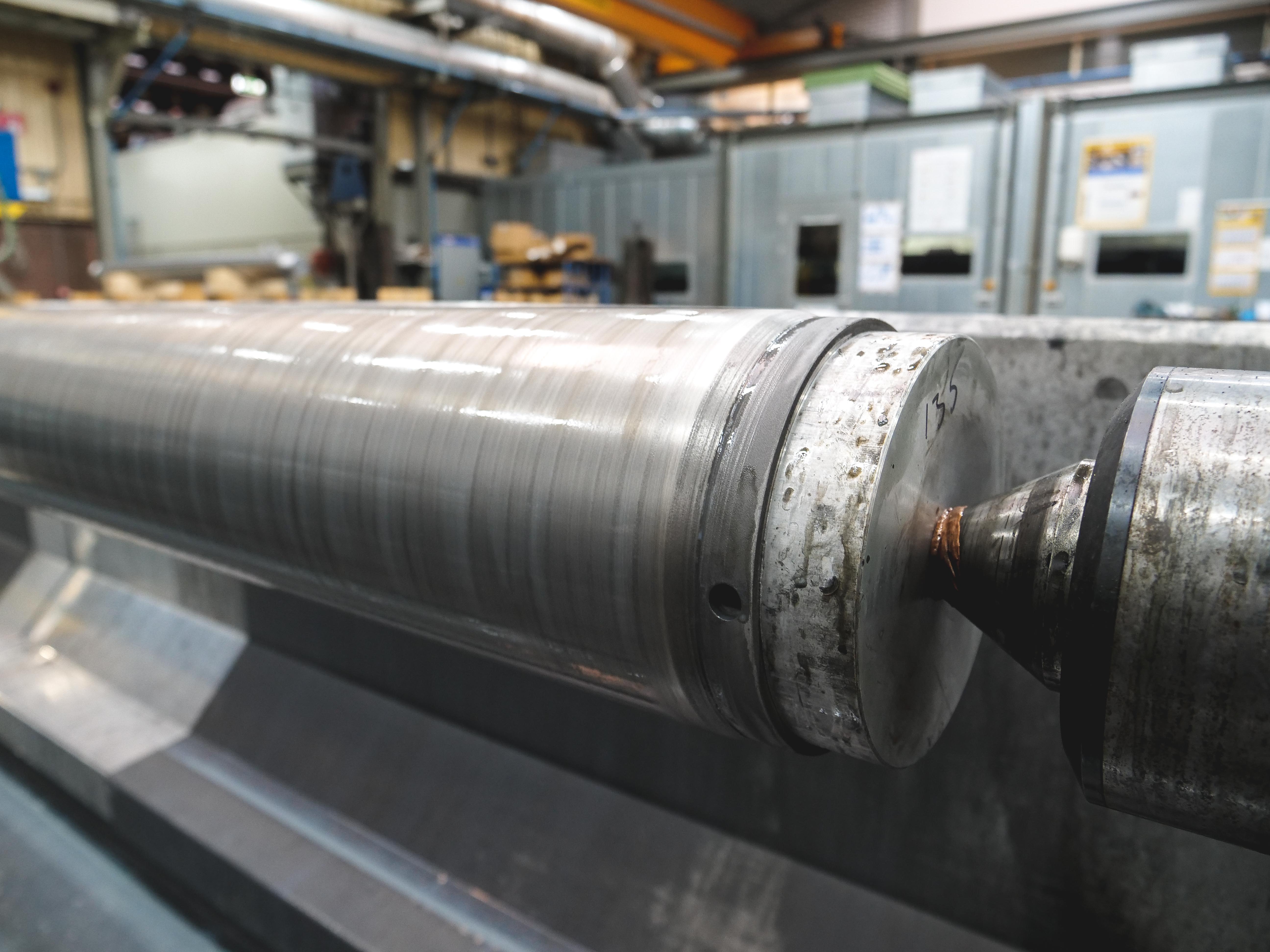
Hard chrome coatings degrade gradually rather than failing all at once: wear thins the layer, corrosion works its way in through existing micro-cracks, and surface roughness drifts outside the tolerance a seal needs. None of this necessarily means the underlying component, the steel rod or shaft itself, has reached the end of its own working life. In most cases, the base material still has plenty of service left in it, it’s the coating that has given out.
That distinction matters commercially as much as technically. Ordering a new component from scratch means specifying and ordering material, machining it to the base dimensions, and only then coating and finishing it, a process that can easily run two to three months from order to delivery. Sending an existing component in for refurbishment skips most of that groundwork: the base material and its machining are already done, so the process starts much further along.
Stripping the old coating: the first step in chromium replacement
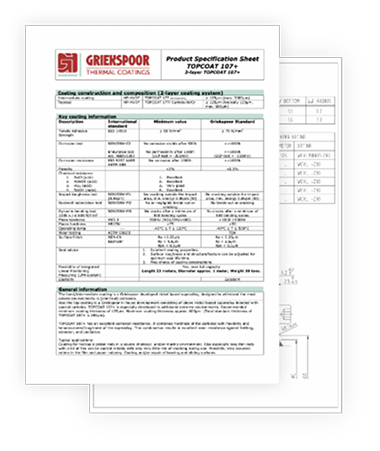
Refurbishment starts by removing the existing coating down to clean base material, typically by machining it off, before inspecting and analysing the exposed surface for wear, corrosion, or thread damage that needs addressing before recoating. Once the component is back to clean material, it’s treated the same way a new part would be: a new TOPCOAT system is applied and finished to the same quality standards as new production, to the same specification listed on that coating’s product page, and any damage found during inspection is repaired first, either in-house or with a specialist partner, depending on the type of repair needed.
From that point on, there’s no technical distinction between a refurbished part and a new one, both carry the same coating, to the same specification, tested the same way.
Why the new coating often outperforms the original, in performance and in CO2
Reusing a base component rather than producing a new one has a real environmental case behind it, and there is a specific figure attached to it: recoating a tonne of stainless steel this way saves around 6 tonnes of CO2 compared with producing an equivalent new component from raw material, a figure that accounts for the full production chain a new part would otherwise require, sourcing material, machining it, coating it, not just the raw steel itself.
It’s also, in most cases, faster than the alternative. A new component works through that full chain described above, while a refurbishment project skips straight to inspection and recoating. That’s a genuinely faster process, though exact turn around varies with demand, so it’s worth describing as relatively quick rather than promisinga fixed number of weeks.
“Sometimes a machine builder wants to keep anoriginal set together, a cylinder and its rod, because a refurbished originalis guaranteed to fit and thread exactly as before. A new part built to the samespec still has its own manufacturing tolerances. It’s not something that playsa role in every project, but where an exact, guaranteed fit matters, it’s areal reason to choose refurbishment over a new part.”
Mario van Helmond, CEO Griekspoor Thermal Coatings
Refurbishment is a substantial and growing part of this kind of work, a trend reinforced by the same forces driving the rest of this series: as chrome-6 becomes less viable for manufacturers and buyers alike, more of the components that would once have simply been re-chromed are being stripped and recoated with a thermal spray alternative instead. The components most commonly refurbished this way are exactly the two covered elsewhere in this series, hydraulic cylinders and piston rods, and marine propeller shafts, see Replacing hard chrome plating: where to start for the complete set of six articles.